Past responses /
St. Vincent and the Grenadines
GER³ supported communities through disaster recovery, safer rebuilding, livelihoods and locally led recovery.
Overview
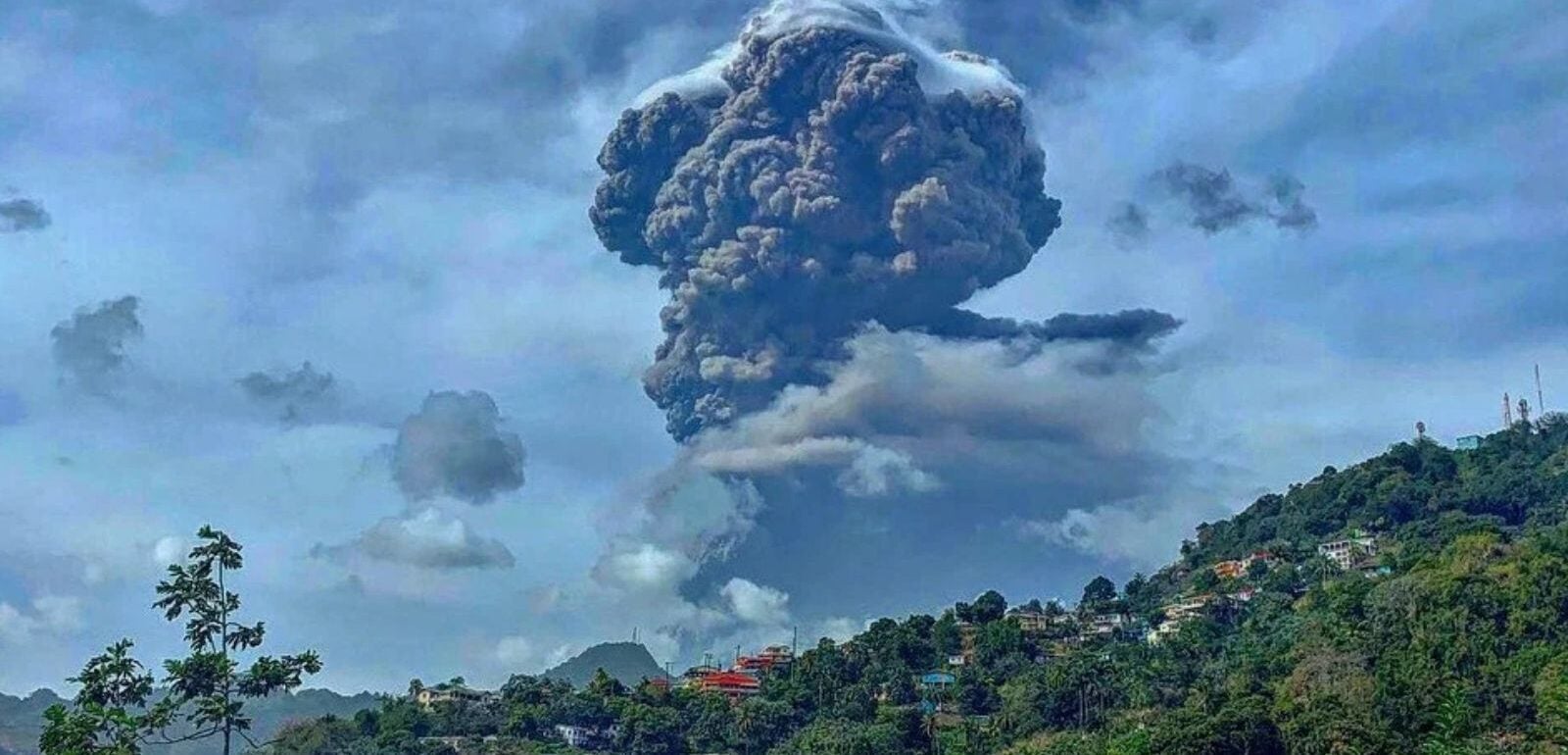
GER³ first mobilized to St. Vincent and the Grenadines following the eruption of La Soufrière in April 2021, which blanketed communities in ash, damaged homes and disrupted livelihoods across the island.
Working primarily in Sandy Bay and surrounding communities, GER³ supported ash and debris clearance, home rehabilitation, temporary employment and skills development. In 2024, GER³ returned following Hurricane Beryl, which caused catastrophic damage across the Southern Grenadines. Building on relationships established during the earlier response, the team supported debris clearance, assessed damage to homes and schools, and worked with local authorities and humanitarian partners to identify priority recovery needs.
General focus areas
Homes and safer rebuilding
GER³ supported families whose homes had been damaged by disaster, helping make them safe and habitable again.
Following the La Soufrière eruption, the team rehabilitated 10 damaged homes and incorporated more resilient construction approaches into repairs. GER³ also provided practical training in safer building techniques, helping strengthen local knowledge for future recovery and reconstruction.
After Hurricane Beryl, the team assessed housing damage and explored opportunities to support roof repairs and other urgent shelter needs across heavily affected communities in the Southern Grenadines.
Debris clearance and local employment
Clearing ash and debris was an essential first step in helping communities recover.
GER³ cleared more than 60 homes and community areas following the volcanic eruption using a cash-for-work approach that employed 62 local people. The program provided affected residents with temporary income while putting local people at the center of their own community’s recovery.
Following Hurricane Beryl, GER³ again supported locally led debris clearance, helping establish cash-for-work teams on Union Island where storm wreckage had made roads difficult to access.
Livelihoods and skills
Disasters affected not only homes but also the ways families earned a living.
GER³ combined recovery work with employment, training and practical skills development. Following the volcanic eruption, the team worked with affected residents on initiatives including resilient construction and organic composting.
GER³ also explored ways to reuse volcanic ash and other locally available materials, including sargassum, to support more sustainable agricultural recovery. After Hurricane Beryl, the team assessed opportunities to support fishing livelihoods across the Southern Grenadines.
Schools and community infrastructure
GER³ worked with local partners to understand and address damage to the buildings and services communities depend on.
Following the La Soufrière eruption, GER³ supported planning to retrofit the Lewis Punnett facility for use as an emergency shelter and geriatric care facility.
After Hurricane Beryl, the team met with school leaders and education partners on Union Island to assess damage and understand what would be needed to support the return of safe learning environments.
Preparedness and community resilience
Across its work in St. Vincent and the Grenadines, GER³ looked beyond immediate repairs to help communities become better prepared for future disasters.
This included resilient construction training, community capacity building, emergency shelter planning and close collaboration with local residents, authorities and organizations so that knowledge and skills remained within the communities themselves.