Our work /
What we do
When disaster strikes, we act fast and stay for what comes next, helping communities recover and rebuild for the future.
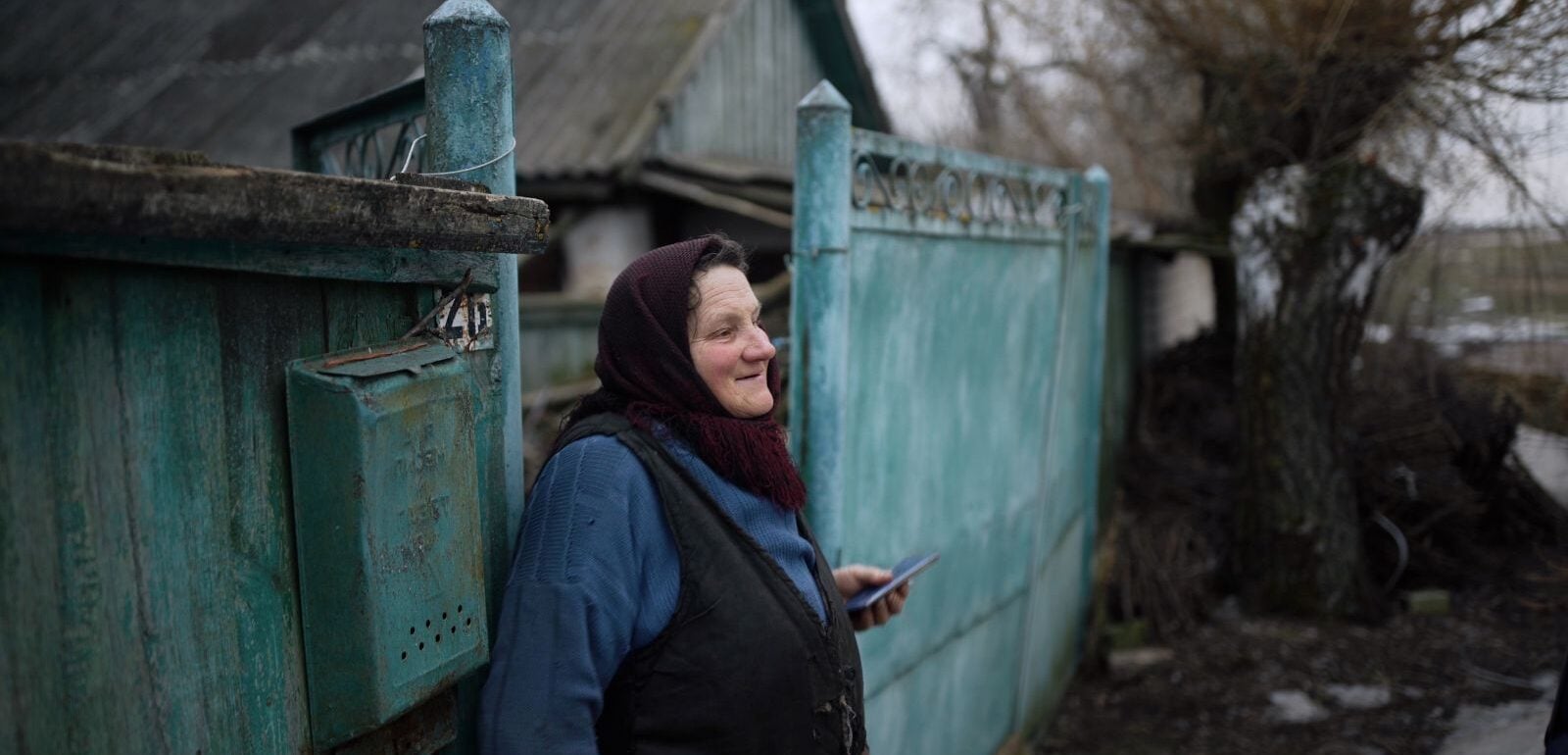
Photo: GER³
Responding to crisis
Disasters are becoming an increasingly frequent reality for communities around the world, with consequences that extend far beyond the moment of impact. In an instant, homes can be destroyed, essential services disrupted, livelihoods lost, and the stability people rely on in their daily lives suddenly torn away. GER³ works alongside communities facing these moments of crisis, helping turn the earliest stages of relief and recovery into the foundation for a safer, stronger, and more resilient future.
How we support communities
Rapid assessment and community consultation
Effective response begins with a clear understanding of what has happened, who has been affected, and what is preventing recovery. GER³ deploys rapidly to assess damage, identify urgent needs, and understand the wider conditions shaping the response. We work directly with affected communities, local authorities, and partners to establish priorities, identify gaps, and determine where our technical and operational capacity can have the greatest impact.
Restoring access and essential connectivity
Debris is often one of the first major barriers to recovery. Rubble, fallen trees, mud, and damaged structures can isolate communities, obstruct emergency services, and prevent people from reaching homes, schools, health facilities, and markets. GER³ undertakes targeted debris clearance and removal to restore safe access, reconnect essential services, and create the conditions for recovery activities to move forward.
Stabilizing homes and critical facilities
Restoring safe, functional spaces is essential to helping communities regain stability after a disaster. GER³ carries out urgent repairs and rehabilitation to damaged homes, schools, health facilities, and other essential buildings. Our work is guided by an assessment of safety, habitability, and function, with interventions designed to address immediate risks while supporting the return of everyday community life.
Recovery and reconstruction
As immediate needs begin to stabilize, GER³ supports the transition into more substantial recovery and reconstruction. We repair and rebuild homes and community infrastructure with close attention to local priorities, technical requirements, available resources, and the way buildings are actually used. The objective is not simply to replace what was lost, but to restore the physical foundations that allow communities to live, work, learn, and recover.
Building resilience into recovery
Every reconstruction effort presents an opportunity to reduce future risk. GER³ applies lessons from the disaster, appropriate engineering and construction practices, and local knowledge to strengthen the safety and resilience of the places being rebuilt. By integrating risk reduction into recovery, we help ensure that reconstruction addresses the needs of today while better preparing communities for the hazards they may face tomorrow.