In Altos de Santa Elena, a community in the Colombian city of Cali, families are finding ways to maintain a sense of home as they face an uncertain future following the August 10 earthquake.
Among the belongings one resident lost following the earthquake were her books and photographs. Of everything she had to leave behind, these were the things she had treasured most.
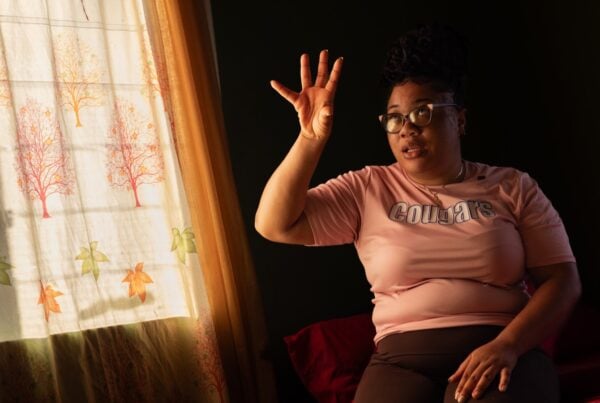
“I had to leave my home. I lost many things,” she recalls. “What hurt me most was losing my books and photographs, which were the most important things to me.”
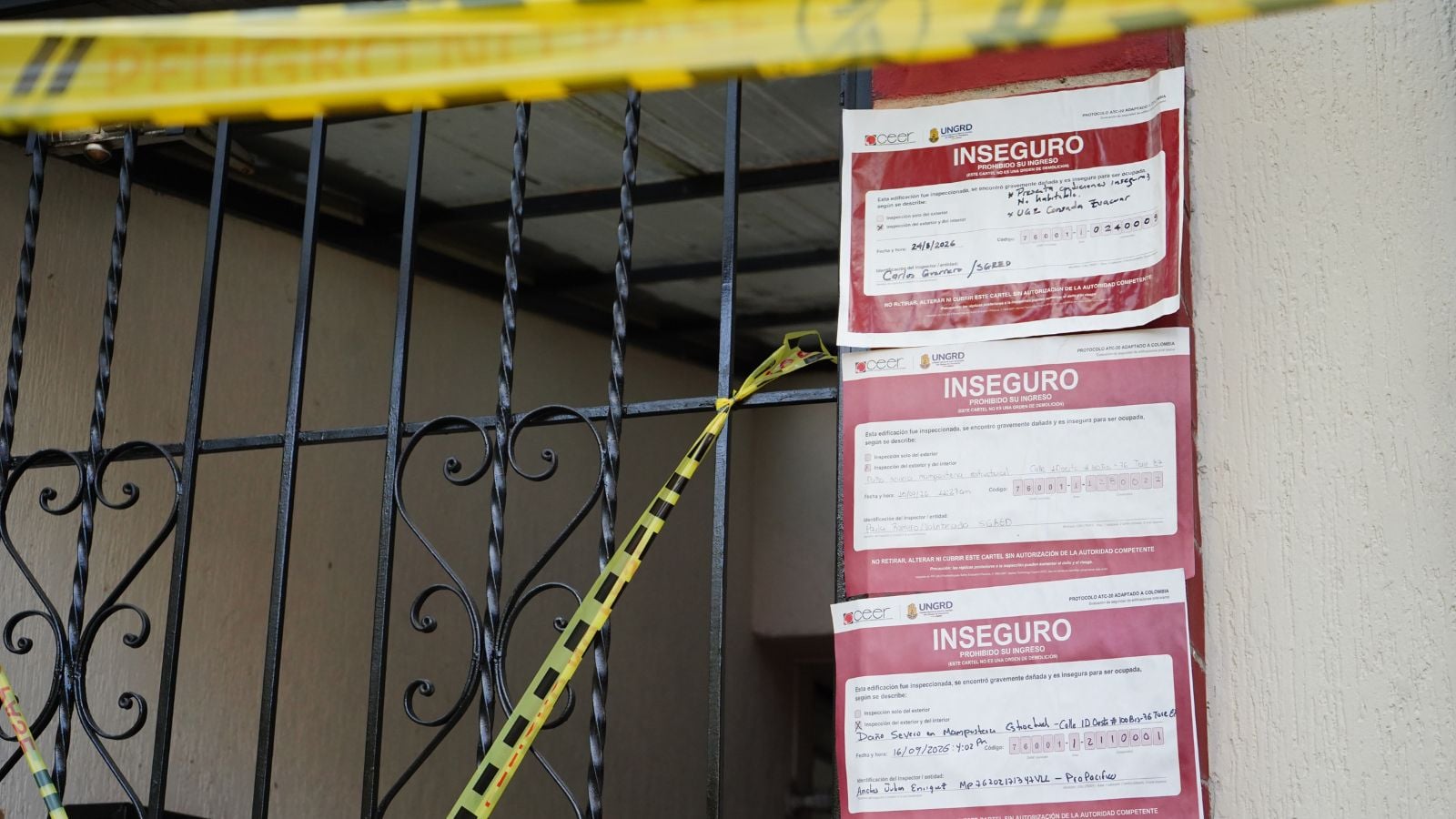
For families living in Altos de Santa Elena, the earthquake disrupted much of what had made everyday life familiar. More than 2,000 people in the community were affected, and 23 apartment towers were condemned and require demolition.
Nearly four months after the earthquake, families continue to face uncertainty about where they will live and what the future holds for their community.
When home no longer feels safe
For some residents, leaving their apartments meant exchanging one form of uncertainty for another. Staying inside a damaged building carried risks, but moving into a temporary shelter brought its own challenges, particularly for families with young children.
One resident describes how the earthquake changed their understanding of safety.
“Safety within your four concrete walls, or safety inside a tent? The word safety no longer existed.”
Many families have remained close to their damaged homes, living in makeshift shelters and reluctant to move further away for fear of losing the few belongings they have left. The loss of employment following the earthquake has placed additional pressure on households already facing difficult decisions about their future.
For residents whose buildings have not yet been condemned, there is also the fear that they may never be allowed to return.

An earthquake-damaged apartment building in Altos de Santa Elena, Cali, where 23 residential towers have been condemned and require demolition. Photo: Sebastian Castillo/GER³
Making a home in unfamiliar circumstances
Throughout Altos de Santa Elena, residents have adapted the spaces around them to meet their everyday needs.
Furniture salvaged from apartments, along with donated materials, has been used to create makeshift living areas outdoors. Places that might once have appeared to be filled with discarded belongings have become spaces where families sit, rest and spend time together.
As one resident explains, what might look to an outsider like a collection of discarded items is, in fact, someone’s living room.
These spaces have also become important places for neighbors to come together, prepare meals and support one another as they navigate the changes brought about by the earthquake.
For one mother, the experience has reinforced what home means to her.
“For me, home is being with my two daughters. Home is also the support we give each other as neighbors.”

Household furniture and kitchen utensils inside a makeshift shelter in Altos de Santa Elena, where displaced families have adapted temporary spaces to meet their everyday needs. Photo: Sebastian Castillo/GER³
Supporting the first steps toward recovery
For families living in temporary shelters in Altos de Santa Elena, Cali’s intense subtropical heat and heavy afternoon thunderstorms present daily challenges.
Working in partnership with local organization Hilando Sueños (Weaving Dreams), GER³ has provided roofing and shade materials to improve temporary living conditions, particularly for families with young children, older adults, and people with disabilities.
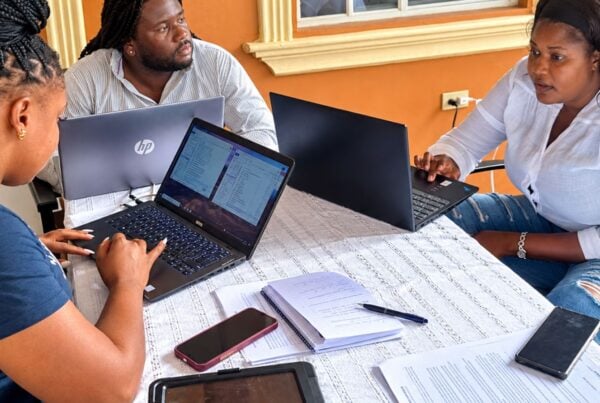
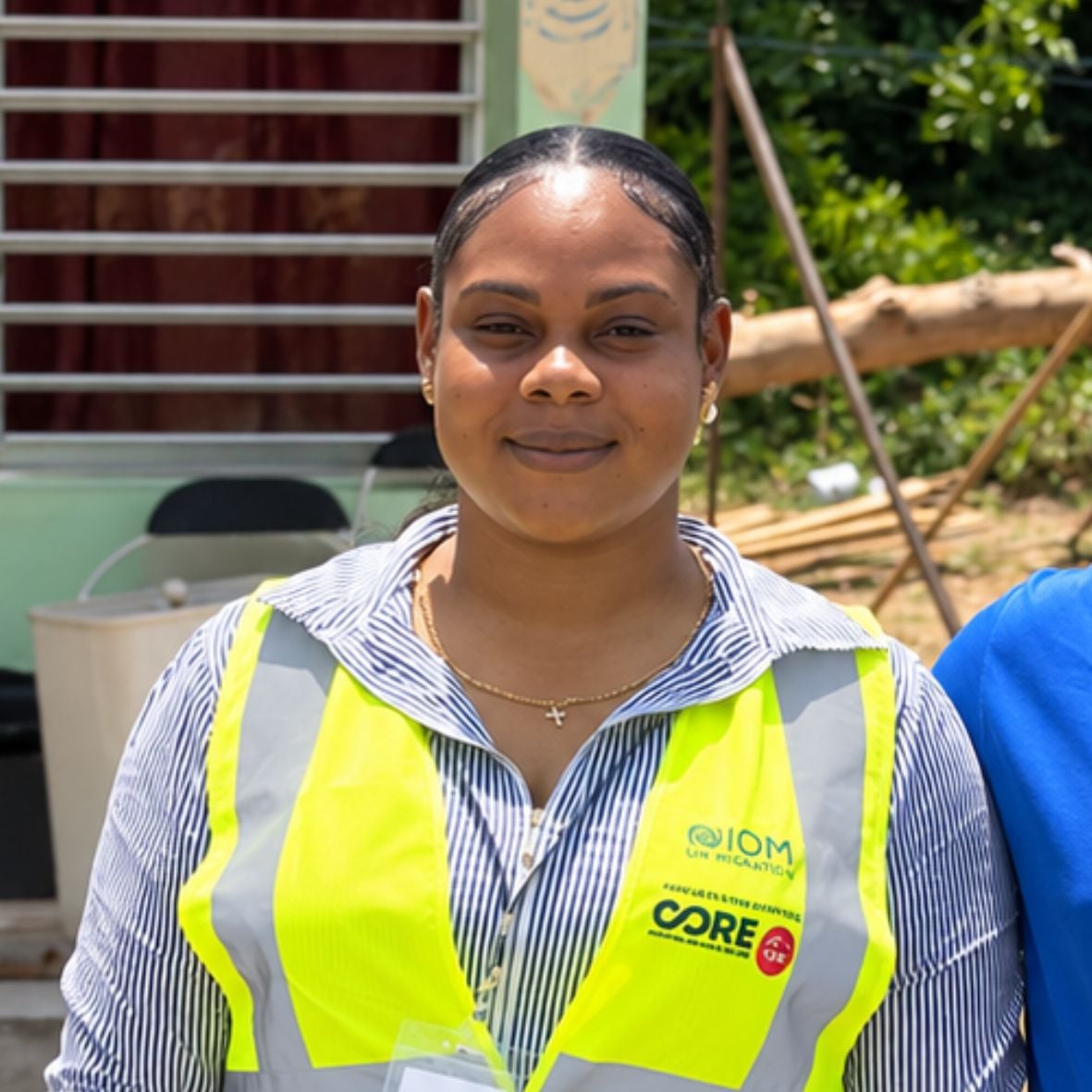
“We’re providing much-needed roofing materials and shade to support families and shield them from the elements as they rebuild and get back to their daily lives,” explains Brian Atkinson, GER³’s Team Leader for Colombia and Venezuela.
While these improvements address immediate needs, GER³ is also working with local partners to identify longer-term recovery priorities across Valle del Cauca, Chocó, and Colombia’s Coffee Region.
In Chocó, assessments are helping to inform the planned rehabilitation of earthquake-damaged schools, with the aim of helping hundreds of students return to the classroom. The wider recovery strategy also focuses on rehabilitating essential infrastructure, managing debris, and safely reusing materials to reduce reconstruction costs and environmental impacts.
Restoring access to education, essential services, and safe living spaces will be central to helping families regain stability and strengthening communities’ resilience to future disasters.

Brian Atkinson, GER³’s Team Leader for Colombia and Venezuela, visits temporary shelters in Altos de Santa Elena, Cali, where families displaced by the earthquake continue to live close to their damaged homes. Photo: Sebastian Castillo/GER³
Making home possible again
For the residents of Altos de Santa Elena, the road to recovery remains uncertain. In the meantime, families are finding ways to care for their children, maintain relationships with their neighbors and preserve the sense of community they had before the earthquake.
Their experiences remind us how much of what makes a place home extends beyond the buildings we live in.
This GivingTuesday, through our HOME AGAIN campaign, we are sharing stories from communities around the world as they recover from disaster and crisis, and exploring what it takes to make home possible again.
Your support can help GER³ work alongside communities in Colombia and elsewhere to restore the homes, services and shared spaces that people depend on.
Global Emergency Relief, Recovery & Reconstruction (GER³) is a U.S.-registered 501(c)(3) tax-exempt nonprofit organization. Federal Tax ID (EIN): 81-0690876
Donations to GER³ are tax-deductible to the extent permitted by U.S. law.