Past responses /
Sint Maarten
GER³ supported rapid recovery after Hurricane Irma, helping clear damaged homes and classrooms so people could safely return.
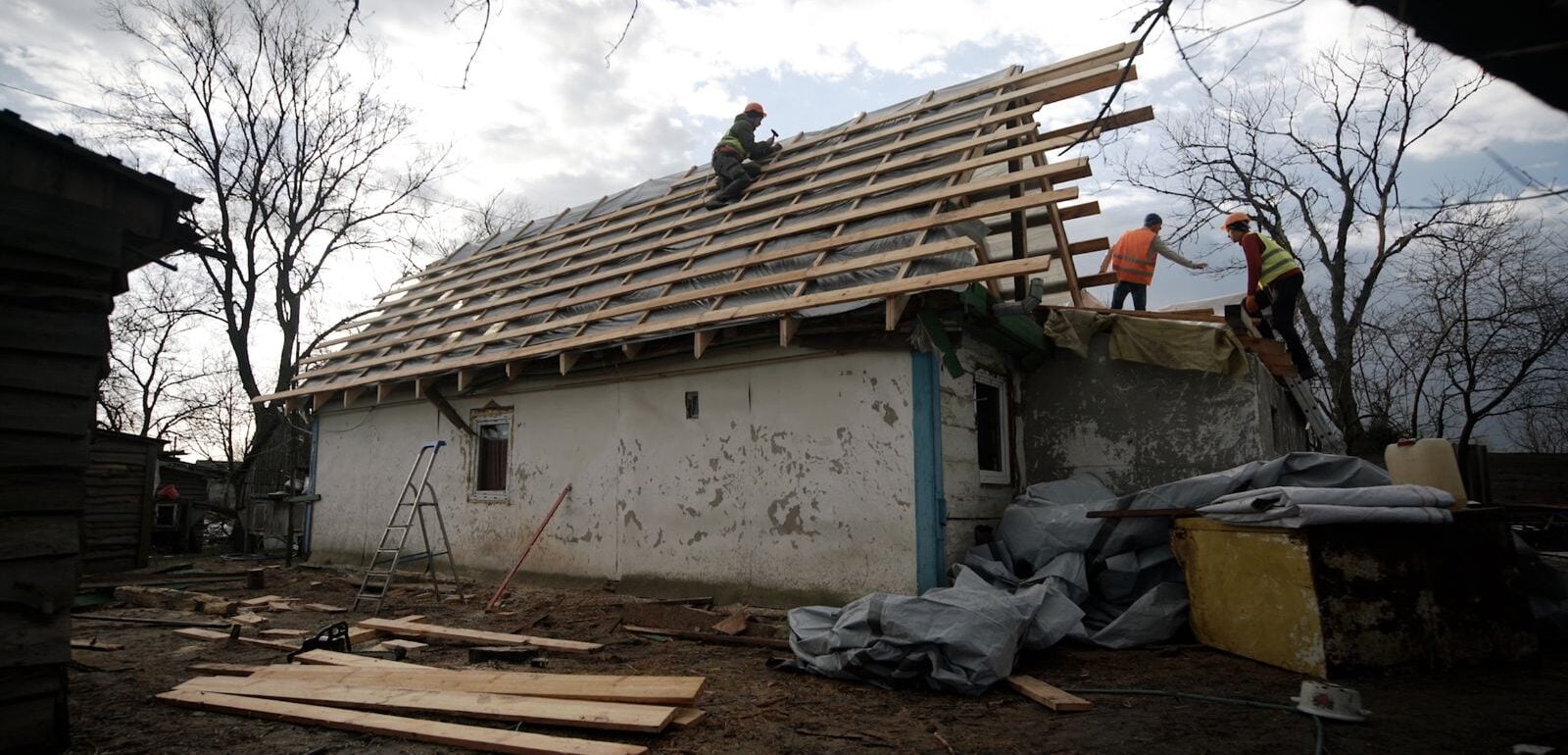
GER³ and local partners help clear a hurricane-damaged home in Philipsburg so recovery work can begin. Photo: GER³
Overview
Hurricane Irma struck Sint Maarten in September 2017, causing widespread destruction across the island. GER³ deployed a two-person team with support from the Dutch military and carried out rapid assessments in some of the hardest-hit communities, including Cay Bay, Cul-de-Sac, Middle Region, Dutch Quarter and the Philipsburg waterfront.
Working in consultation with affected communities, the Government of Sint Maarten, UN agencies and local partner Tzu Chi Sint Maarten, GER³ developed targeted recovery interventions focused on removing storm debris and making damaged spaces safe again. The work included restoring classrooms at Leonard Conner School and clearing the home of a vulnerable family in Philipsburg.
General focus areas
Schools and education recovery
Hurricane damage left classrooms at Leonard Conner School in Cay Bay filled with debris and standing water, creating risks from mold and mosquito larvae and preventing students from safely returning.
GER³ worked alongside 12 Tzu Chi volunteers to clear and clean nine classrooms, helping the school prepare to reopen for nearly 300 students and teachers.
Homes and vulnerable households
GER³ also supported households facing particular barriers to recovering from the storm.
On the Philipsburg waterfront, the team worked with Tzu Chi to clear the badly damaged home of an elderly woman and her daughter with a disability. Hurricane Irma had torn away part of the roof, damaged windows and left standing water and debris throughout the property.
The team removed debris, cleared water and helped make the home safer for the family to begin recovering.
Debris clearance and safer spaces
Removing storm debris was central to GER³’s work in Sint Maarten.
At both the school and residential site, teams cleared damaged materials, standing water and other hazards that could have led to further deterioration or health risks. Acting quickly helped protect buildings from additional damage and made it possible for recovery work to move forward.