Past responses /
Grenada
GER³ supported early recovery after Hurricane Beryl through damage assessments, education planning and coordination with affected communities.
Overview
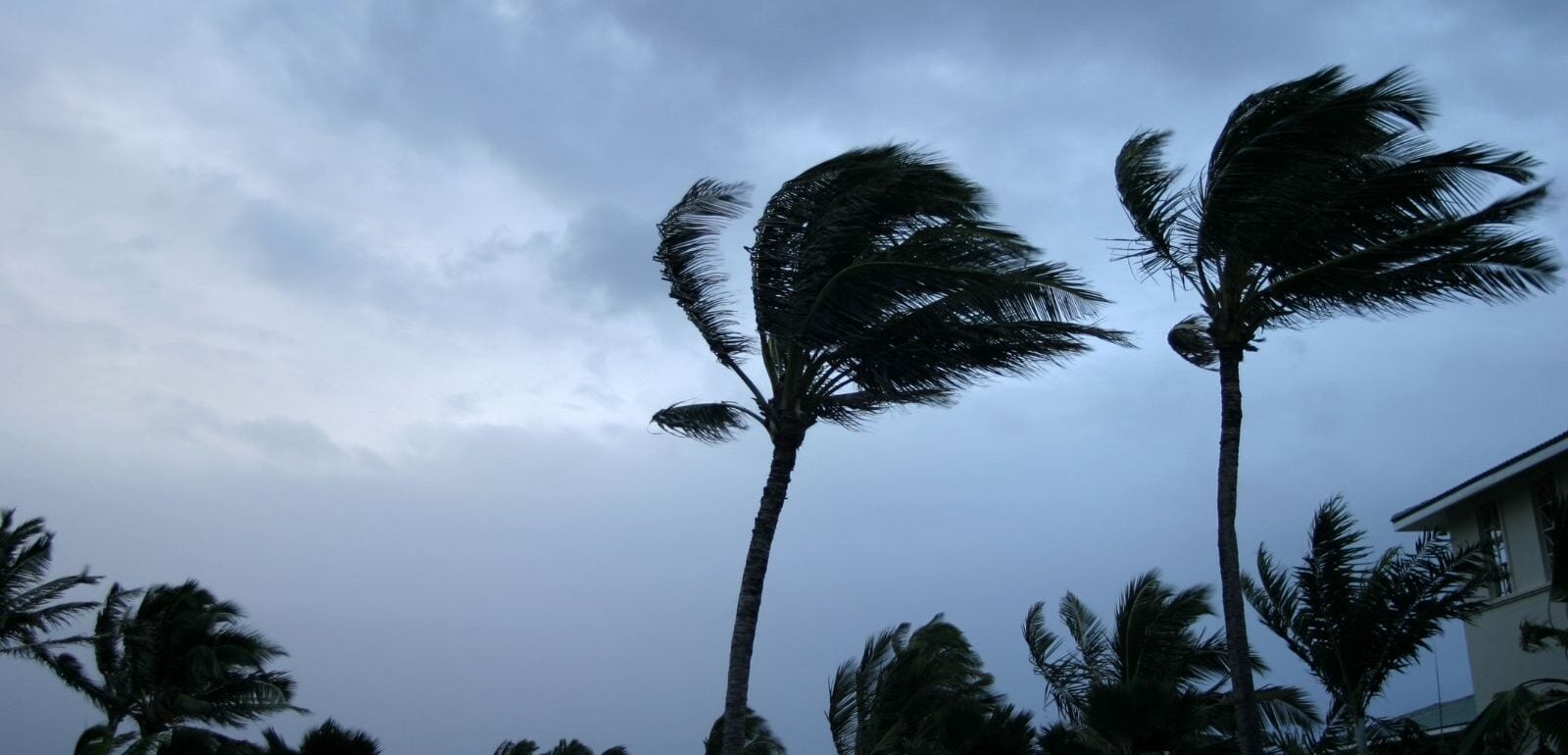
Hurricane Beryl struck Grenada in July 2024, causing catastrophic damage across Carriacou and Petite Martinique. Homes, schools and essential infrastructure were severely damaged, leaving communities facing significant shelter and recovery needs.
GER³ deployed its Global Response Team shortly after the hurricane to assess conditions on the ground and identify where its technical expertise could best support the wider recovery. The team worked with community members, government authorities, education officials and humanitarian organizations to understand priority needs and help shape practical recovery options.
General focus areas
Homes and shelter
Extensive housing damage left many families facing urgent shelter and repair needs.
GER³ assessed conditions in affected communities and explored opportunities to support housing repairs, temporary shelter and safer recovery. The team focused on identifying where targeted technical and operational support could complement assistance already being provided by government and humanitarian partners.
Schools and education
Damage to schools created additional pressure for children, families and communities recovering from the hurricane.
GER³ engaged with education officials, including the Ministry of Education in Carriacou, to understand the scale of damage and identify priority needs for school recovery.
These assessments helped build a clearer picture of what would be required to restore safe learning environments in the hardest-hit areas.
Community recovery
GER³ worked directly with affected communities to understand what was needed beyond the immediate emergency.
The team assessed damage to homes, community infrastructure and essential services while identifying practical opportunities to support recovery. This community-level approach helped ensure that potential assistance was shaped by local priorities rather than assumptions made from outside.