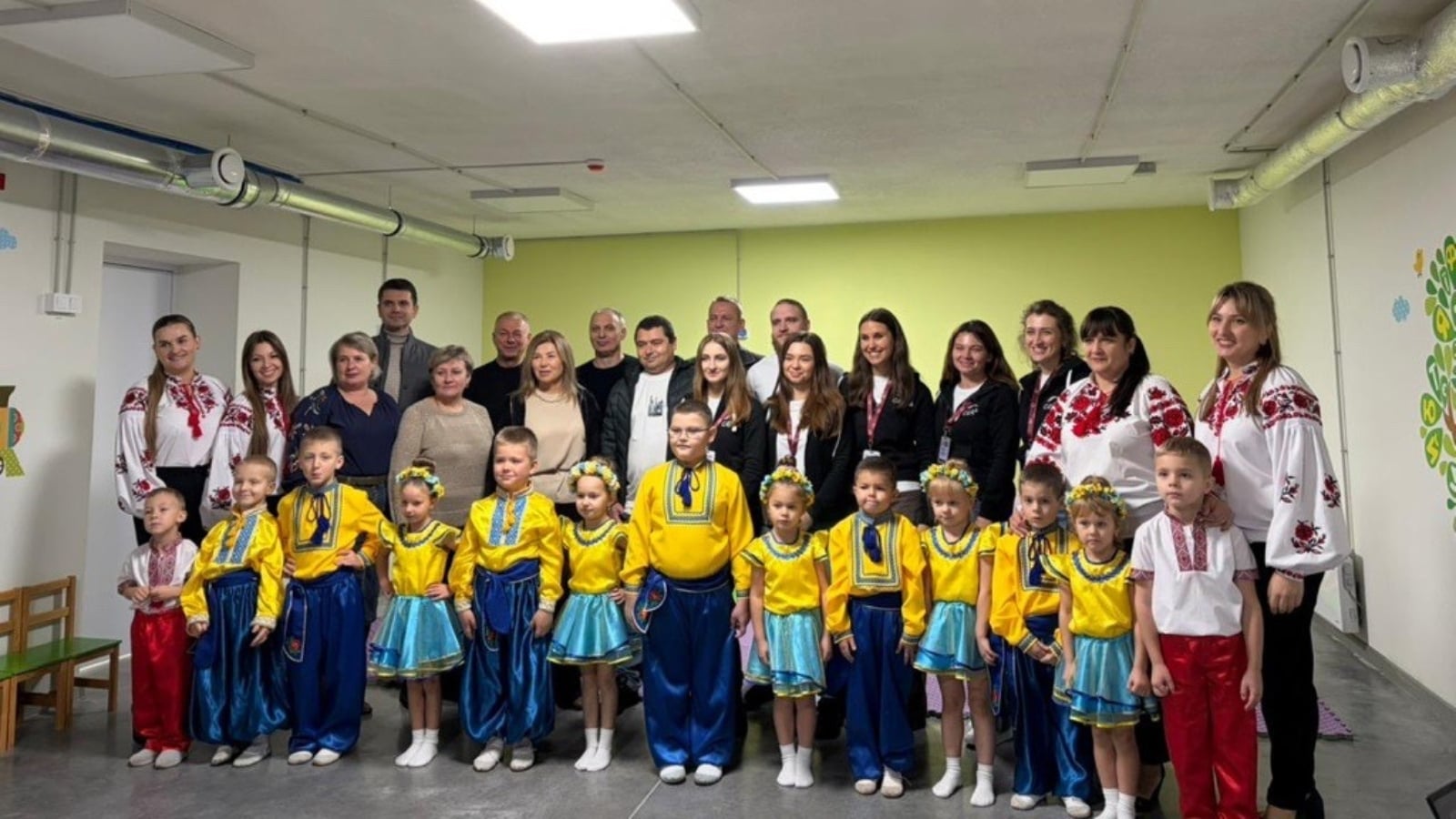
September 1 marked the first day back at school for children across Ukraine, traditionally a day of celebration, ceremony and the ringing of the “first bell.” For some, the joy of the occasion remained. For many others, it was overshadowed by a war that has transformed what childhood and going to school look like.
On this special day, I visited two schools in Chernihivska oblast (region): one where GER3 is working toward the day it can safely reopen, and another where GER3 completed construction of a bomb shelter in 2024.
As our team drove out of Kyiv, the joy of the occasion was evident. We passed schools with large groups of students gathered in the courtyards – smiling, clapping, reunited and anticipating the year to come.
Unfortunately, the scenes were not to last. Soon after, an air alert sounded, warning of incoming drones and forcing students to move to their designated bomb shelters.
The alarm was one of more than 50 issued in Kyiv during the previous five days. With waves of drones and missiles regularly targeting Ukraine, the day underscored a reality that has been clear since the beginning of the full-scale invasion: to study safely, students need shelters where they can continue their lessons for prolonged periods.
A bomb shelter in progress
A few hours later, we arrived in a town approximately 30km from Ukraine’s northern border with Russia, where GER3 is transforming the basement into an anti-radiation bomb shelter, a place where classes can proceed during frequent air alarms. The school serves vulnerable children, including those whose parents have lost custody to care for them, and endured a traumatic occupation in 2022.
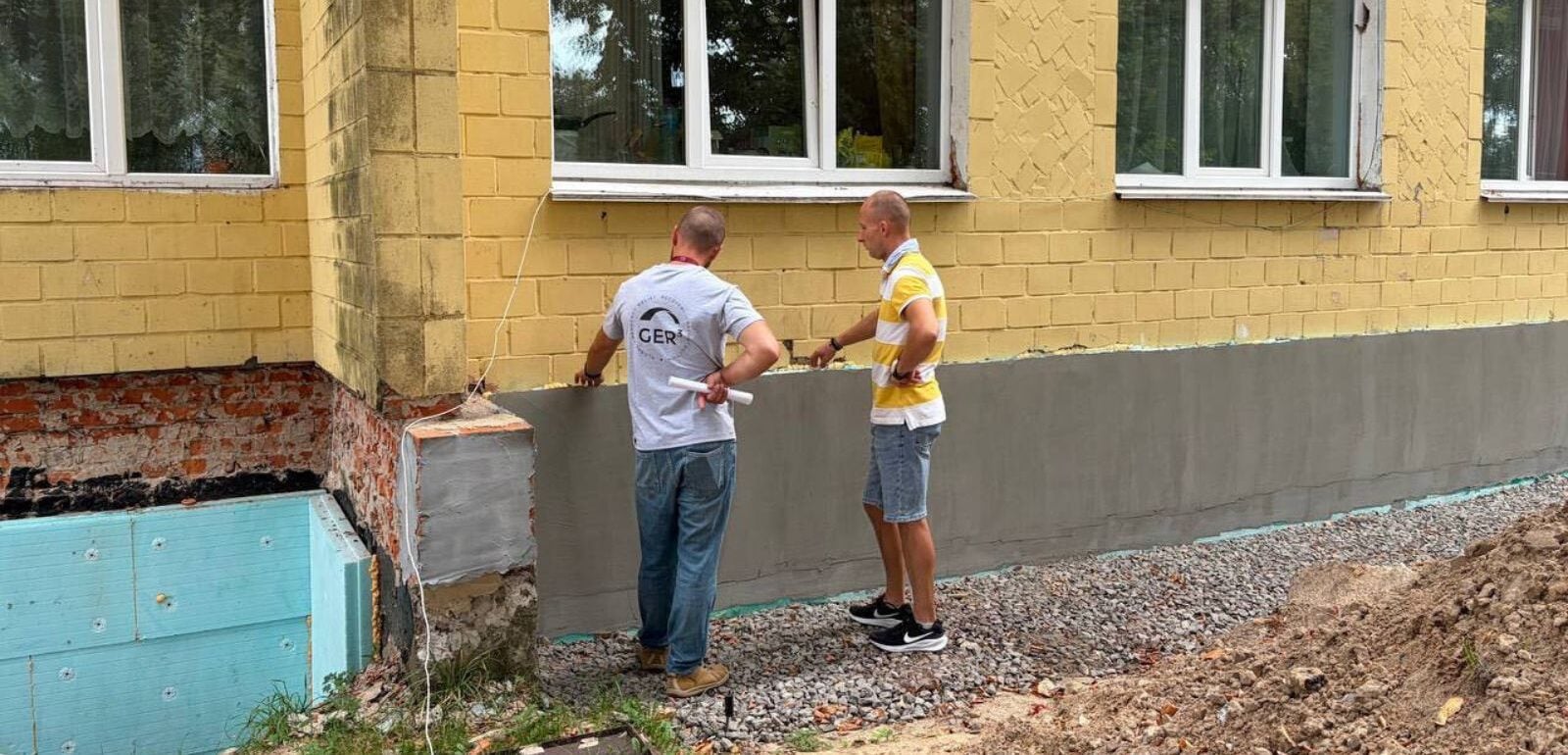
A GER³’s Engineer inspects ongoing work on the school bomb shelter. Photo: GER³
Our Construction & Technical Supervisor worked with the site foreman to inspect the work, discuss technical challenges and identify solutions. Together, they considered options for making the heating pipes extending from the ceiling less intrusive, while ensuring they could continue to service the school above and be safely integrated into the shelter design. Issues like these arise throughout the rehabilitation process, often requiring further assessment and tailored solutions. With regular visits to the project site, GER³’s engineers do the crucial work of addressing these challenges and helping ensure a timely, high-quality and cost-effective result.
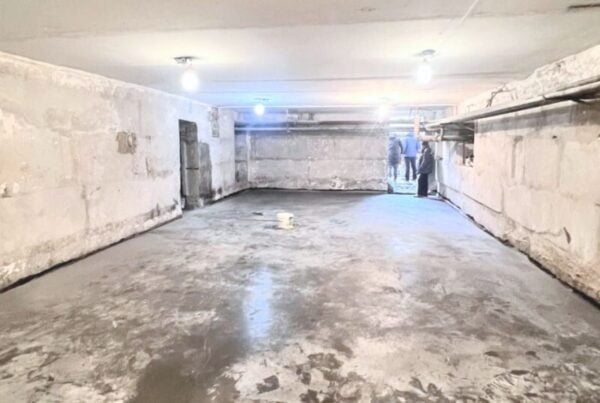
The space was starting to take shape. The floors had been leveled, an area cleared for the installation of a wheelchair lift, and the layout for the bathrooms and ventilation room established. The contractor took us outside to show us the insulation work that had recently been completed. The basement, once humid and prone to flooding, would now provide a safe, dry space for students. The foreman explained that Russian strikes in the town had led to power cuts, requiring the team to use a generator to keep their equipment running.
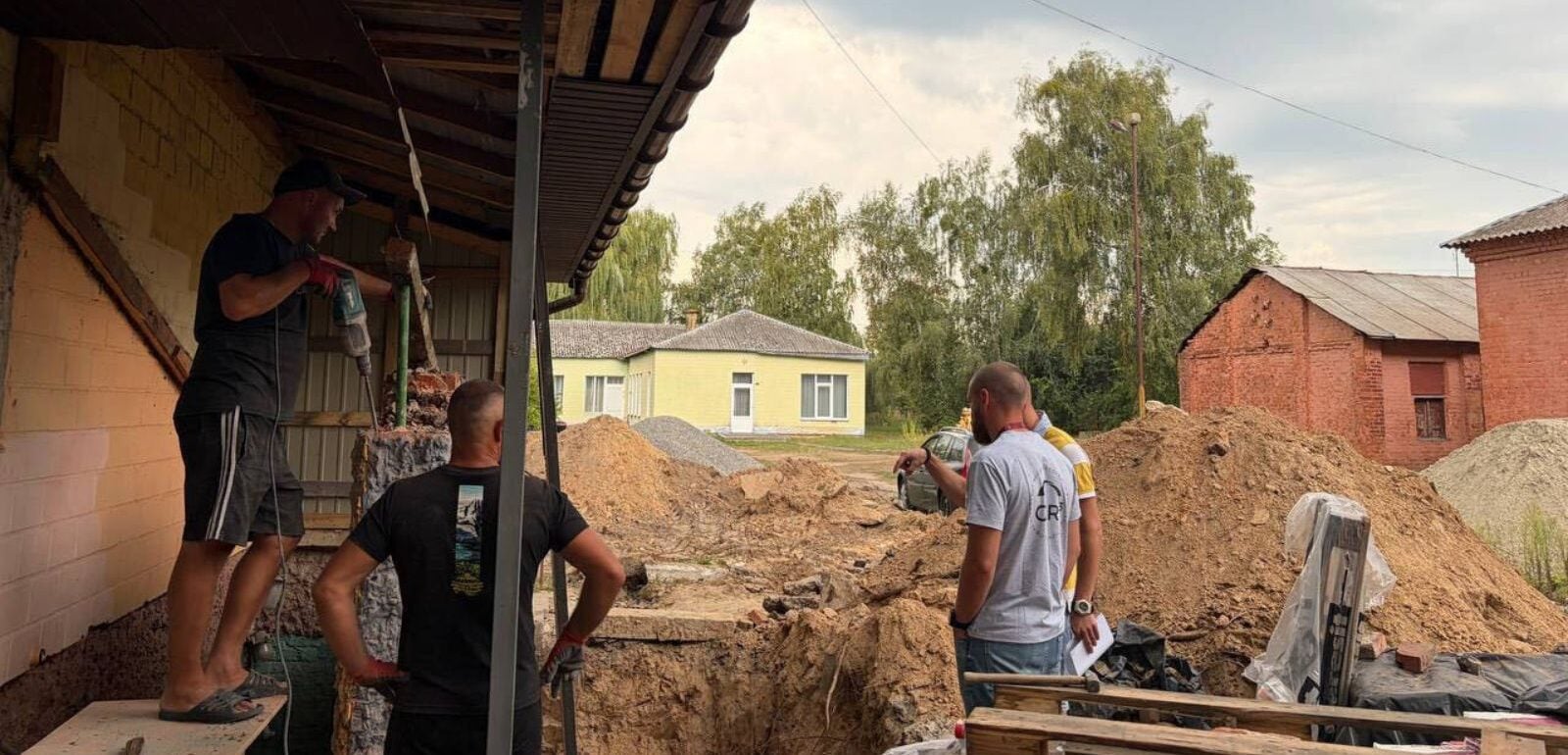
Inspecting the emergency exit area, where a platform lift will be installed to provide accessible entry to the shelter for people with disabilities. Photo: GER³
The quiet schoolyard was a reminder of what had been lost, the play and excitement that should be part of every child’s return to school. At the same time, the shelter taking shape below ground was a symbol of hope, offering children the opportunity to return to in-person learning while giving them a protected place to continue their lessons.
A visit from the Humanitarian Coordinator
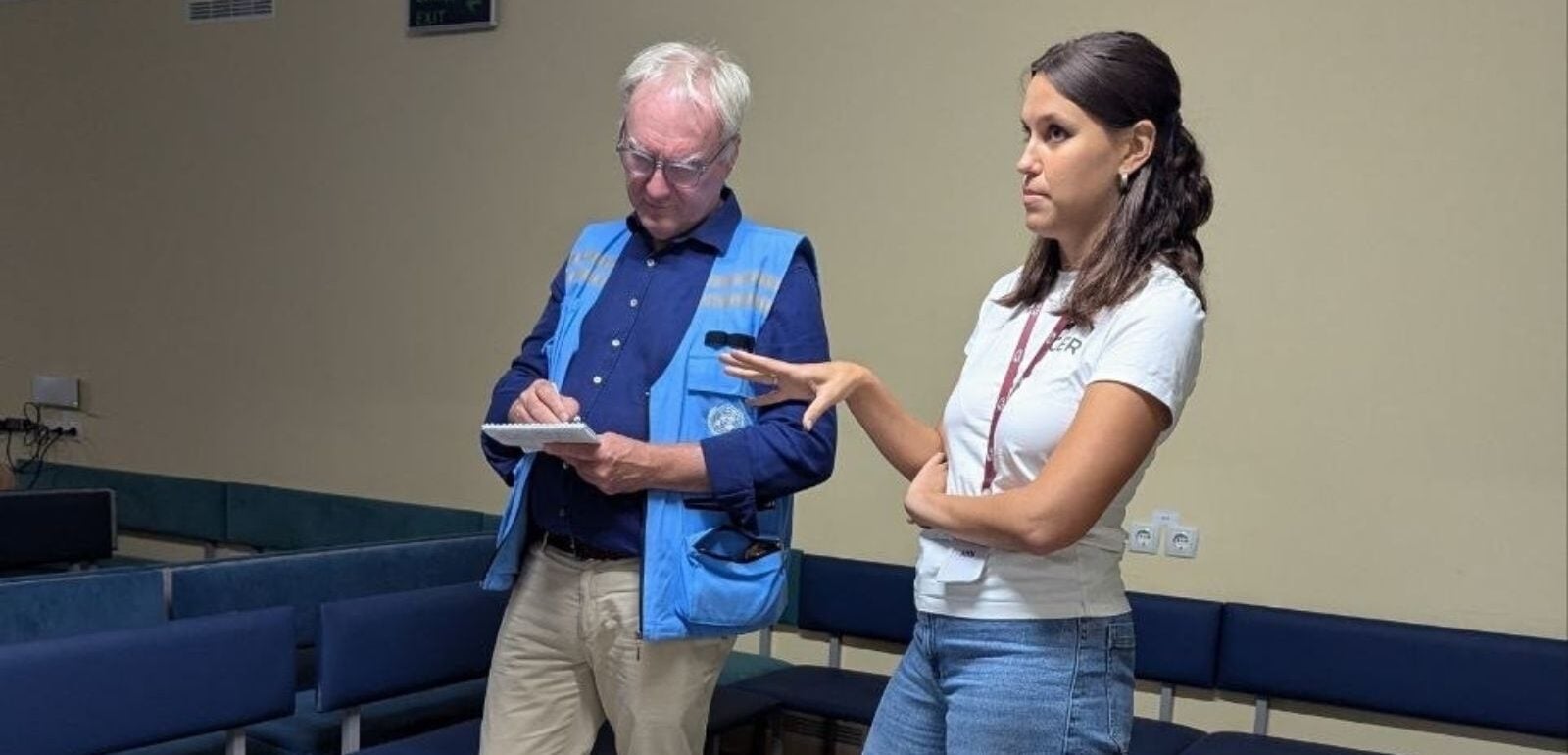
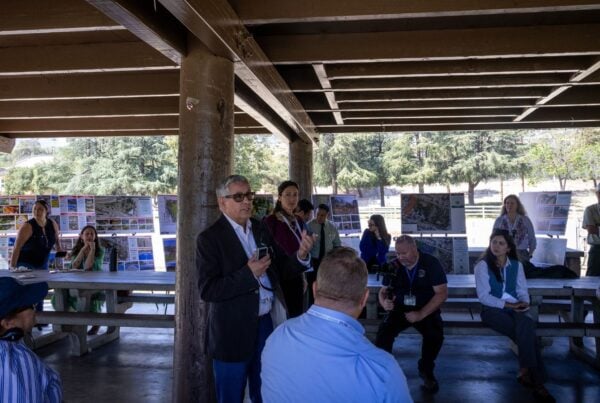
GER³ Ukraine Country Director Anna Grace briefs UN OCHA Humanitarian Coordinator for Ukraine Matthias Schmale during a visit to a GER³-rehabilitated school bomb shelter in Bakhmach. Photo: GER³
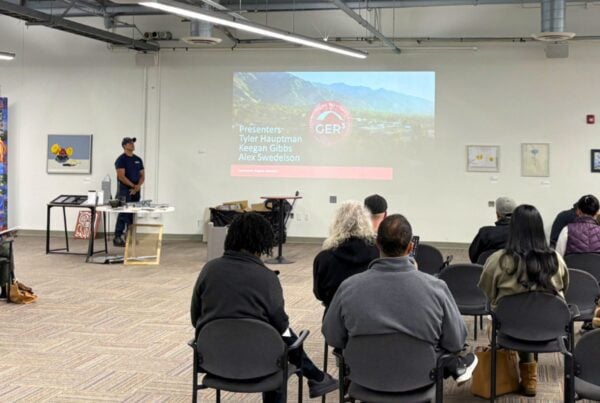
In the afternoon, we met with Matthias Schmale, the UN OCHA Humanitarian Coordinator for Ukraine, in a school bomb shelter in Bakhmach, Chernihivska oblast, that GER³ completed in 2024. The shelter was equipped with desks and whiteboards, allowing classes to continue during air alerts. With Matthias, we discussed the complex renovation process, findings from our 2026 school bomb shelter assessments, and why these projects matter so much to Ukraine’s children, parents and educators, as well as to the country’s future.
Among the details, several key takeaways emerged from our conversation:
1. Addressing both the lack of shelters and poor shelter conditions is essential
Across Ukraine, many schools remain online because they lack a shelter. As safety risks, disruptions to learning and impacts on mental health compound, the need to enable schools to reopen for in-person learning remains urgent.
However, through our wide-ranging assessments, GER³ has also identified numerous schools with basements that can legally serve as shelters but fail to meet key health, safety and functionality standards.
Many have serious insulation problems, with moisture, flooding and mold creating unhealthy conditions. They often lack ventilation systems, important protective measures such as anti-radiation doors, and accessibility features. In many cases, the lack of accessible shelters has forced children with disabilities to continue learning from home, where they can miss out on specialized support.
We described how children spend hours in these conditions, in spaces with severe moisture, no bathrooms, minimal air circulation and dirt floors. We have visited boarding schools and orphanages where students even sleep in such conditions, affecting their physical and mental well-being. These basements are also poorly suited to continuing classes.
We all agreed: a “shelter” that is itself unsafe, contributes to health problems and does not provide an environment where children can continue learning still requires intervention if students are to have adequate access to education.
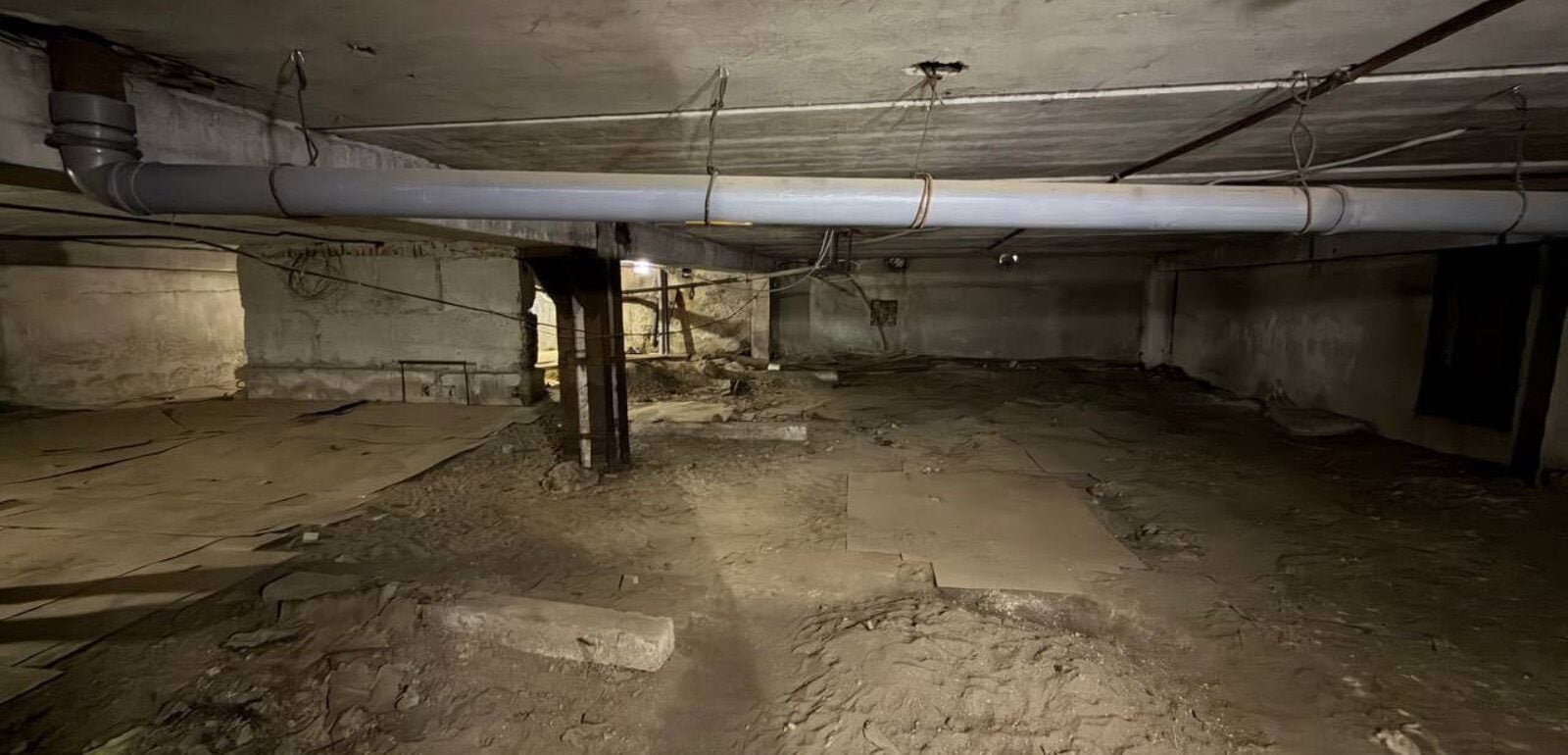
Poor conditions inside a school basement documented during GER³’s school shelter assessments. Photo: GER³
2. School bomb shelters are an investment in the future
GER³ designs shelters to remain valuable, usable spaces long into the future, including beyond the context of war. As large, finished spaces, they can continue to serve as classrooms, community centers, libraries or other useful spaces.
At the same time, conflict has affected Ukraine since 2014, and there is no clear prospect of the security threats disappearing. Among government officials, policymakers, humanitarian actors and civilians, there is broad recognition that school shelter requirements will remain in place for the long term. Neighboring countries are also considering similar measures.
Education programs should therefore prioritize durable solutions that respond directly to the realities of conflict, rather than short-term measures intended simply to bridge the gap to peacetime.
Investing in safe education infrastructure, including school bomb shelters, is an investment in the future of Ukrainian children, whatever circumstances lie ahead.
3. Taking on big challenges is part of the humanitarian spirit
As we explained how we prioritize bomb shelter projects, including the technical criteria we consider and our focus on the most vulnerable students, we emphasized a central part of GER³’s approach: we seek out schools where the need is greatest, the renovation is challenging and the potential impact is transformative. We spoke about one school in Kharkiv, where highly complex renovations are underway, including the installation of metal structural reinforcements within the existing basement walls.
Since beginning school bomb shelter projects in 2023, GER³ has developed specialized experience in carrying out complex renovations that meet legal standards originally designed for new construction. That experience gives us both the ability and the responsibility to take on the most difficult cases, where others may not be able to intervene and where the stakes are highest.
Matthias smiled and said, “That’s the humanitarian spirit. Spirit is important.” We agree.